


| High-Purity Honokiol for Multifunctional Beauty and Personal Care Formulations | ||||||||||||||||
| Release time:2026-08-19 10:21:21 | Views: | ||||||||||||||||
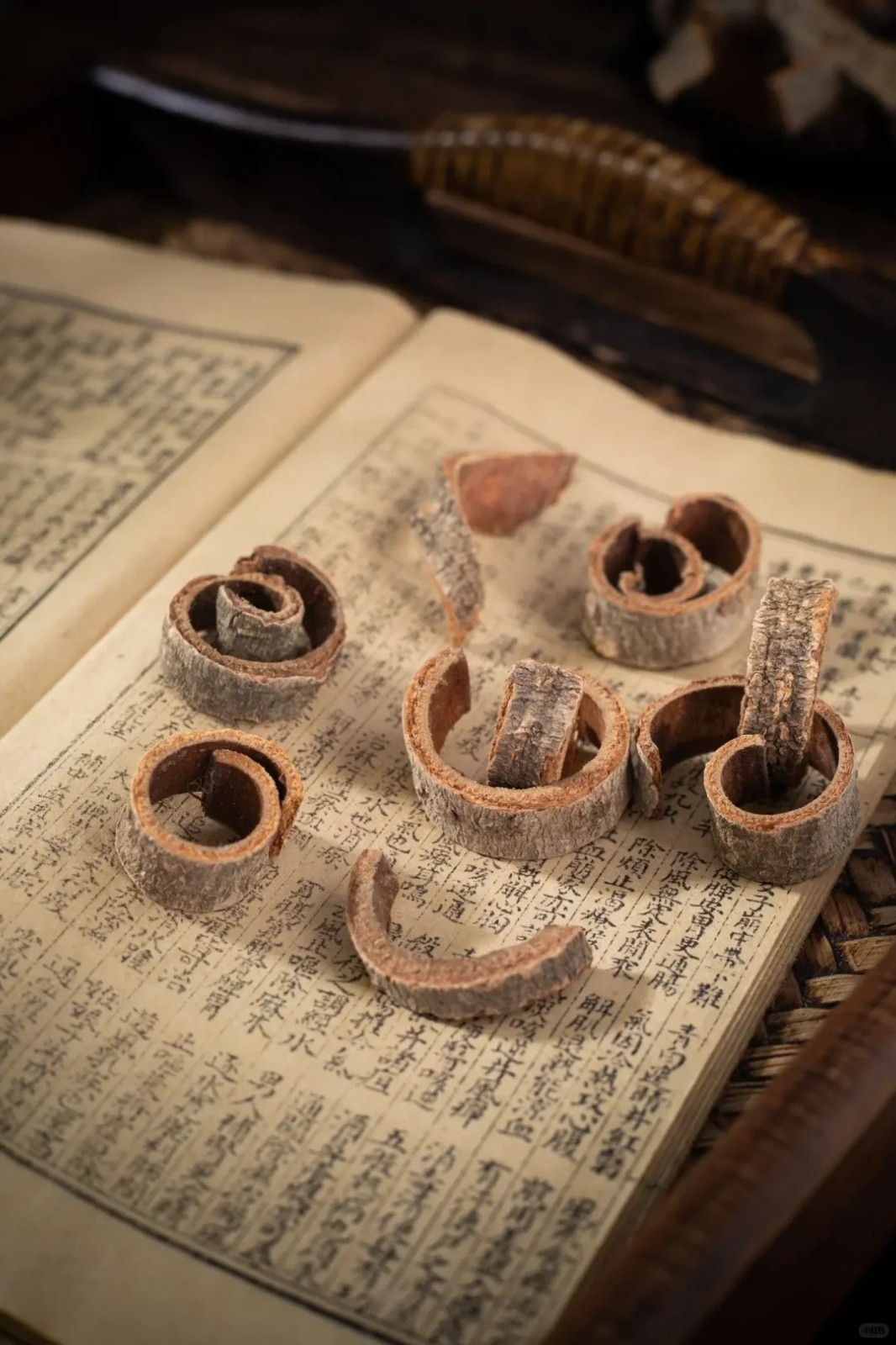
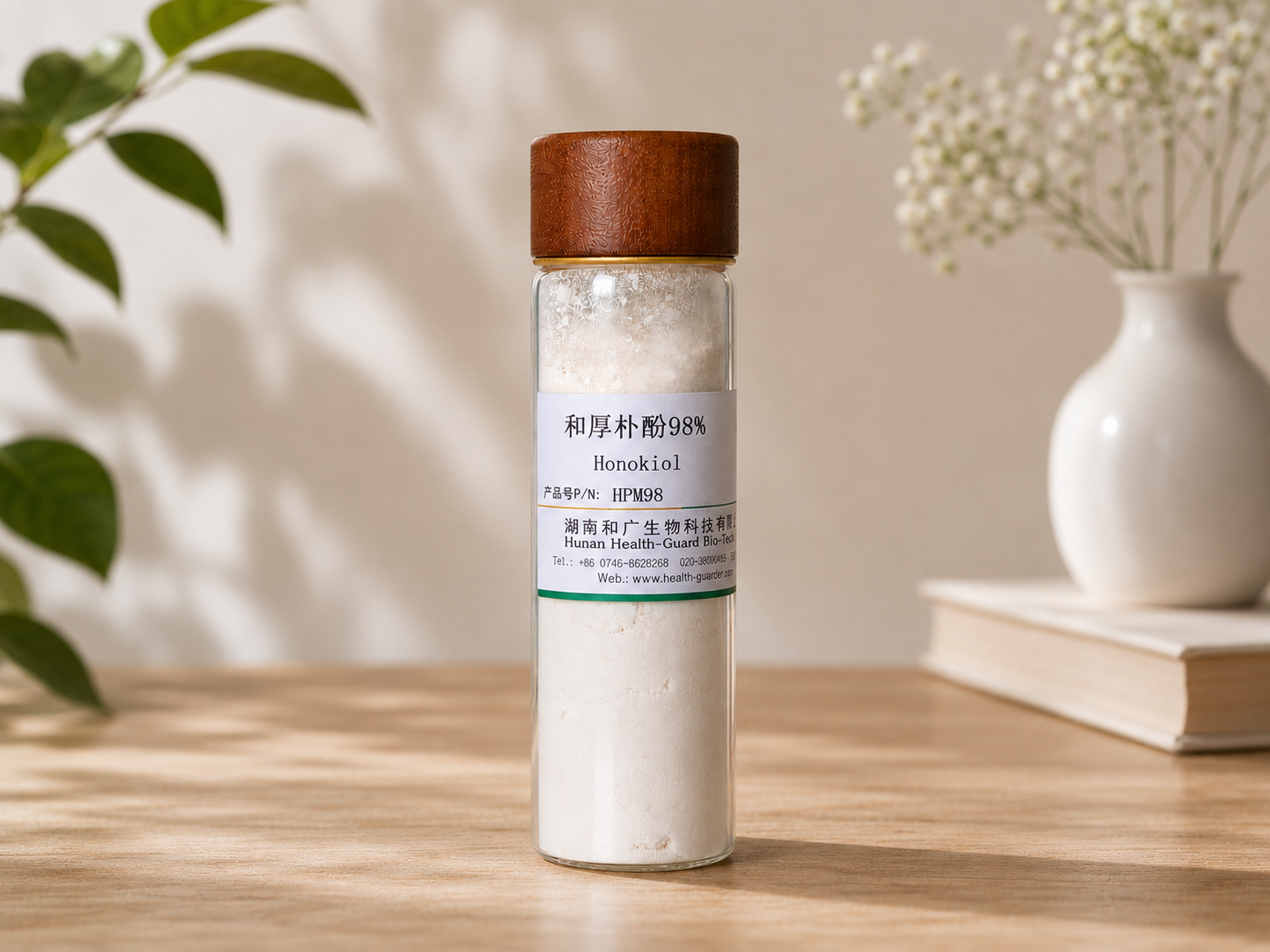
As demand grows for naturally derived ingredients in beauty and personal care, botanical actives are gaining attention as formulators look for effective ways to refresh product portfolios. Health-Guard’s high-purity honokiol HPH98 combines a traceable magnolia source, patented processing technology and a range of laboratory-tested properties. 01 Botanical OriginsHonokiol is listed in China’s Inventory of Existing Cosmetic Ingredients (2021). Magnolia bark has a long history of use in traditional Chinese medicine. Historical texts describe its use for dampness and phlegm and to warm the middle and support digestion; modern pharmacological studies have investigated its antimicrobial, anti-inflammatory, antioxidant and other biological activities. Finished cosmetic products require separate evidence for any claimed effects.
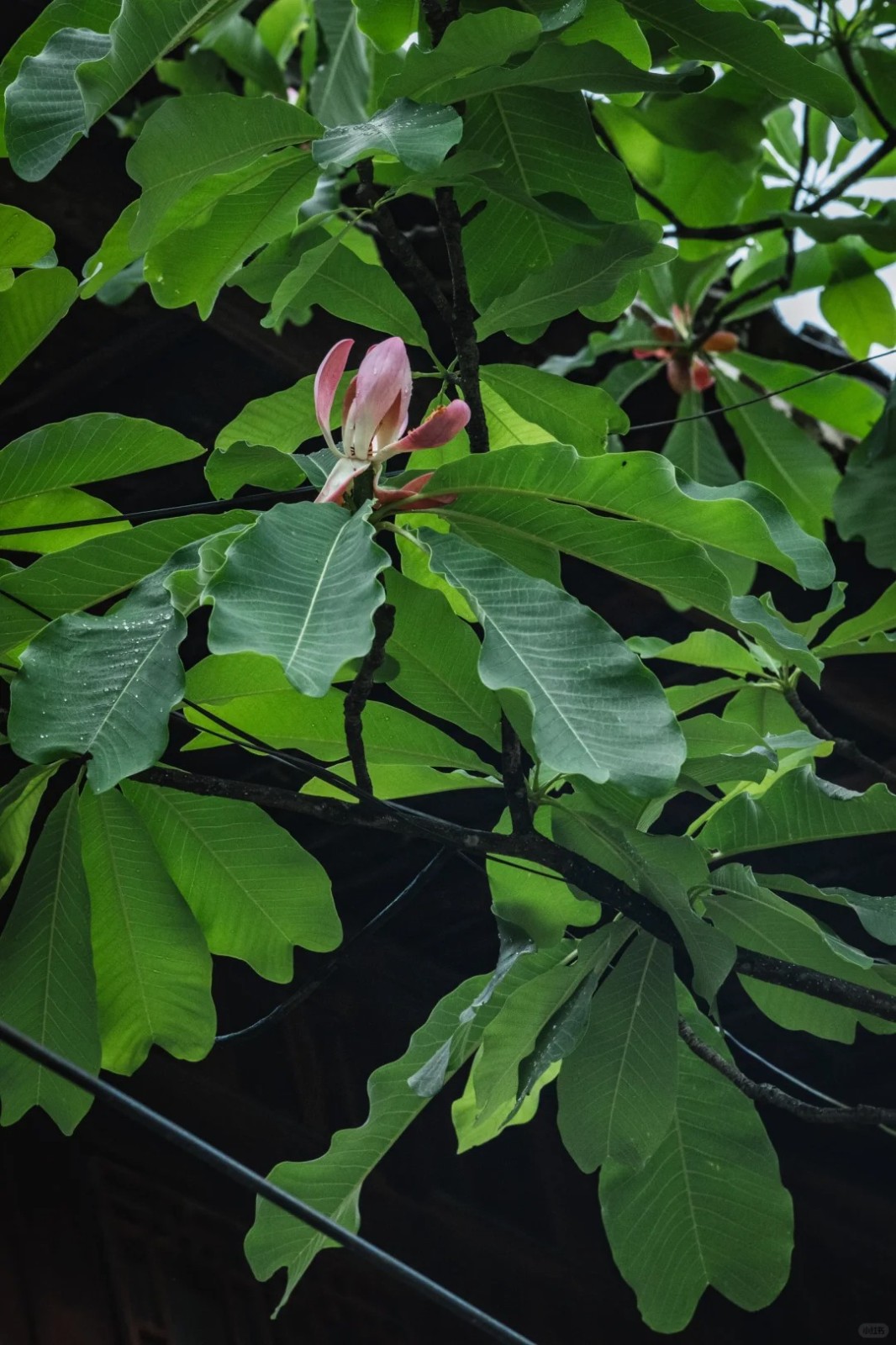
Yongzhou, Hunan, has approximately 21,000 hectares of magnolia plantings with trees more than 20 years old. This local resource supports a long-term supply of quality magnolia raw material.
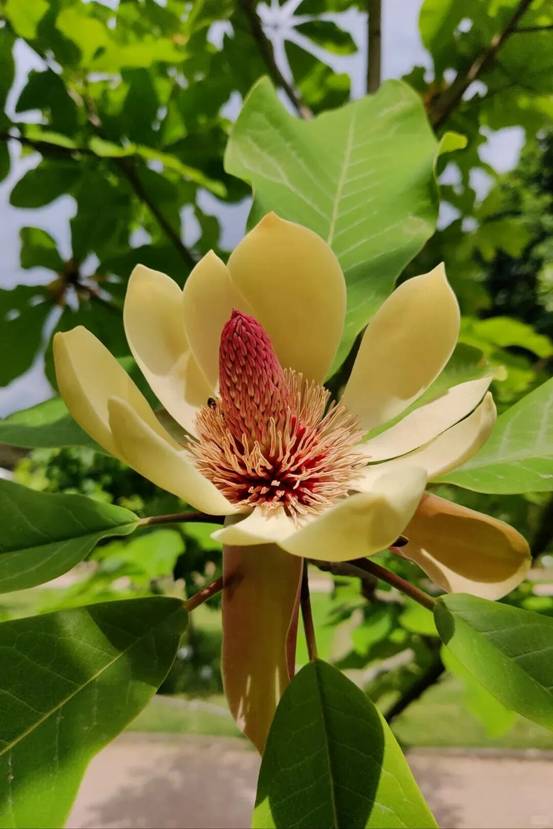
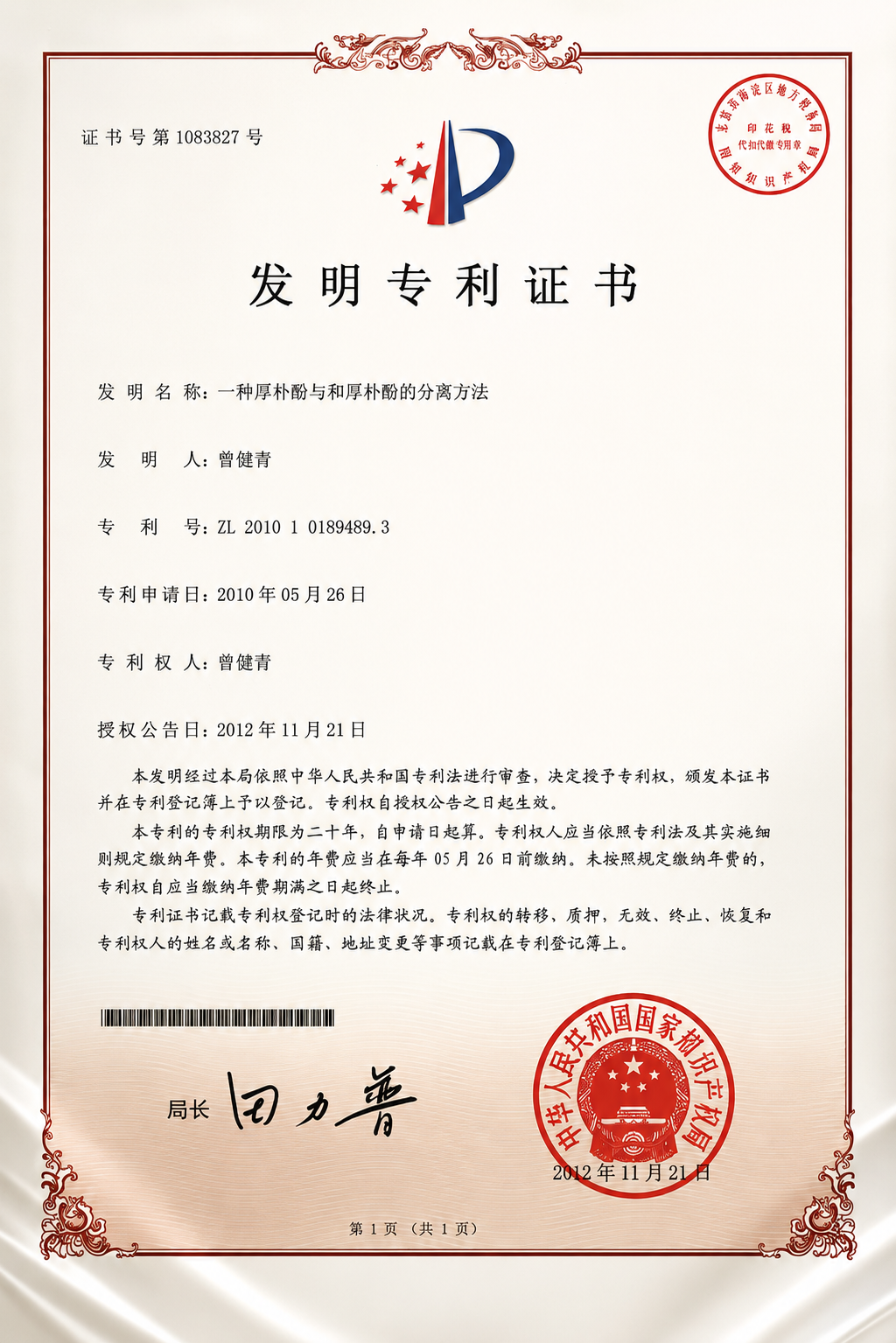
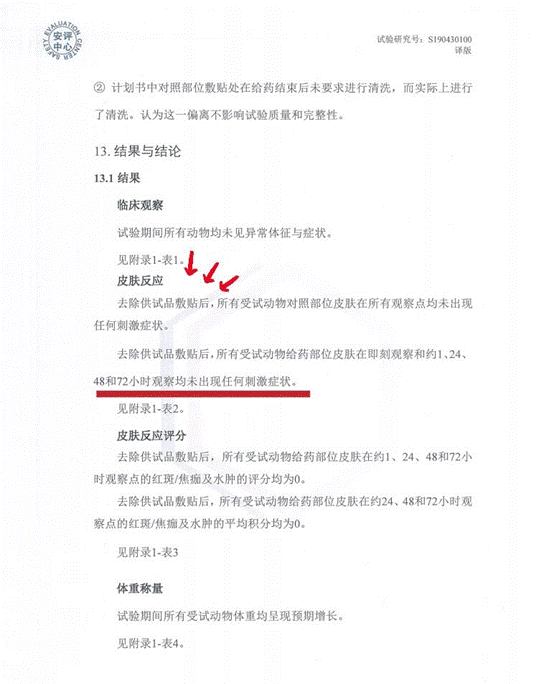
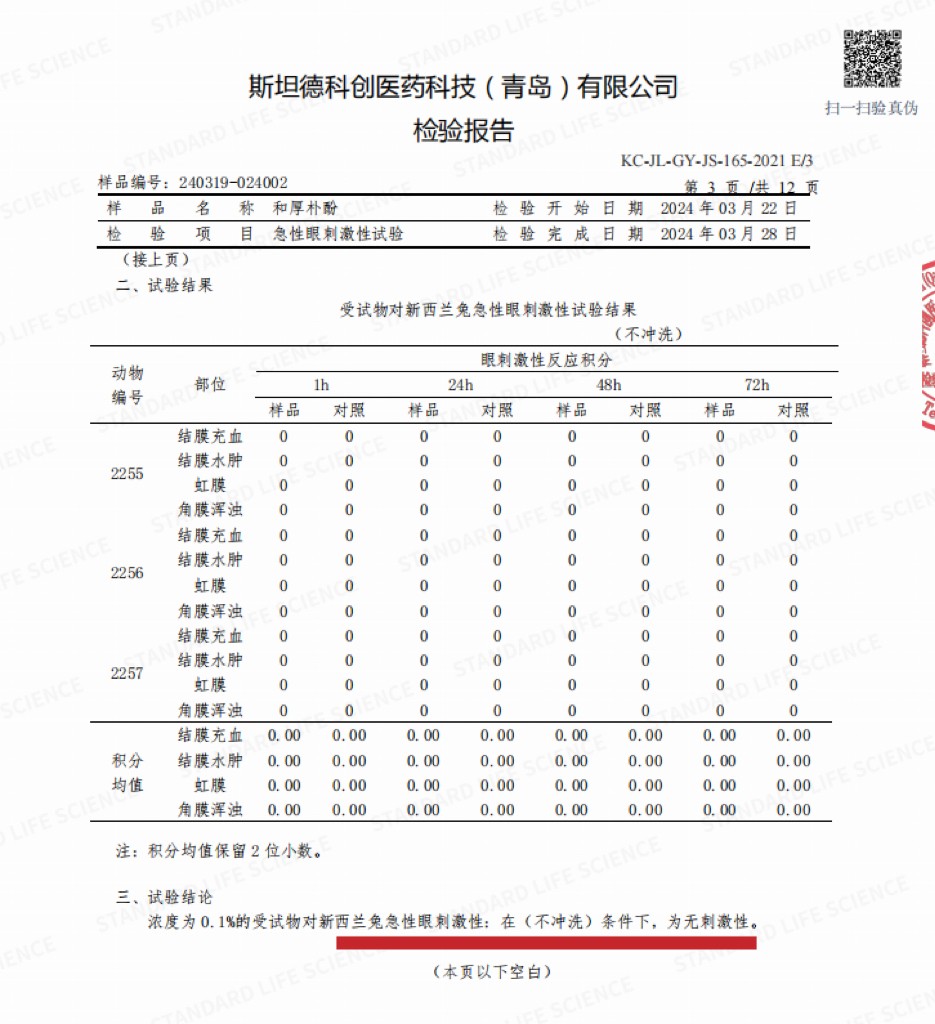
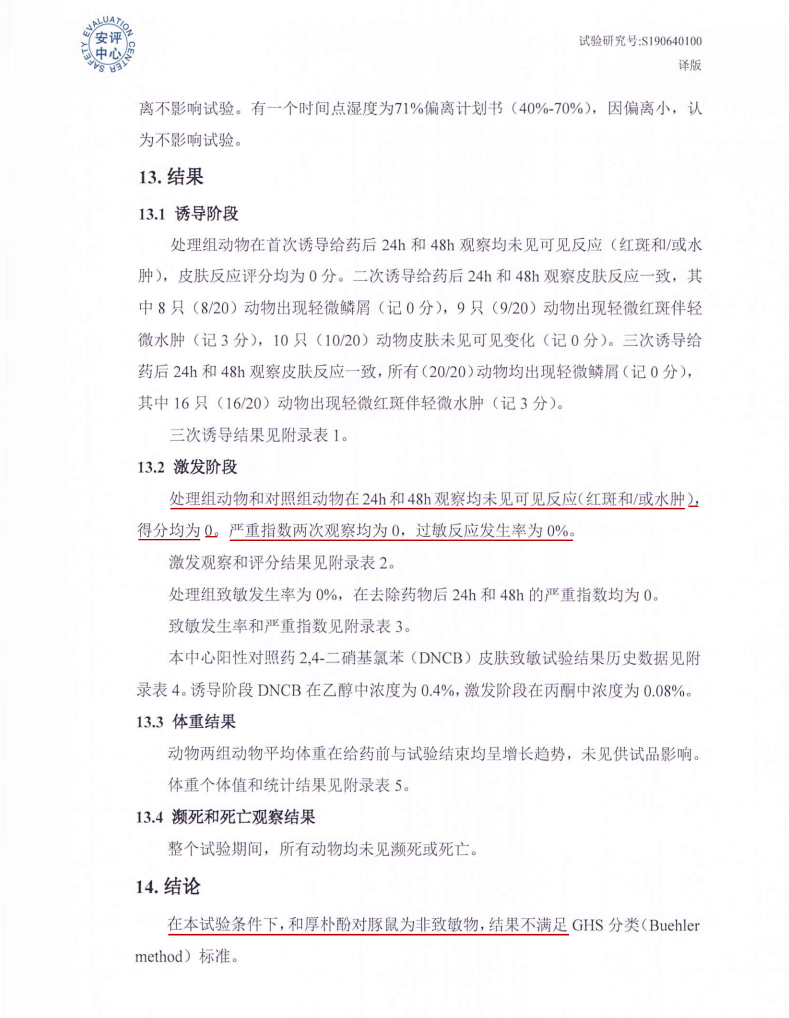
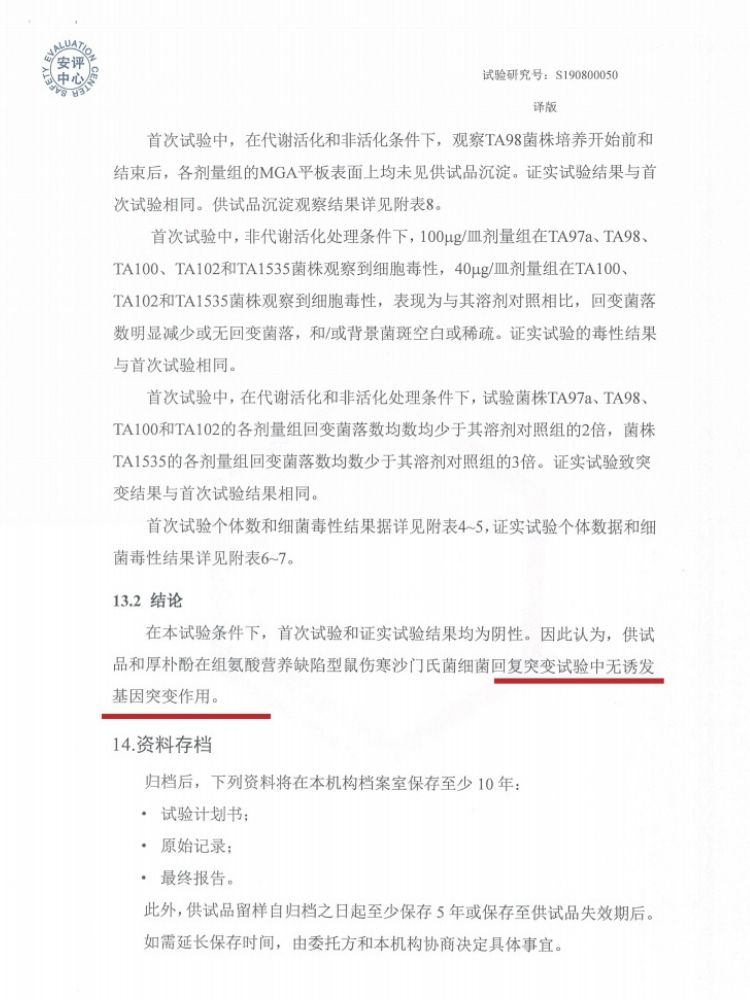
Magnolia plant and traditional bark material Patent certificate for the separation of magnolol and honokiol 02 High-Purity HPH98Health-Guard’s HPH98 is produced using high-efficiency supercritical CO₂ extraction followed by a patented water-based method for separating and purifying individual phenols. The resulting white crystalline powder has a purity of at least 98%, a clean odor without an off-note, and is specified as having no pesticide or heavy-metal residues. Annual production capacity is 30–50 metric tons, supporting supply at commercial scale. The company cites cosmetic ingredient safety and toxicology testing by several organizations, including Standard Life Sciences and the Shenyang Research Institute of Chemical Industry. At the tested concentration of 0.1%, the cited studies reported no skin or eye irritation, sensitization, or indication of mutagenicity under their respective test conditions. Suitability for sensitive-skin or maternal and infant care products should be assessed in each finished formulation. The supporting reports below address skin irritation, eye irritation, sensitization and mutagenicity, respectively.
Selected skin and eye irritation test records Selected sensitization and mutagenicity test records 03 Seven Laboratory-Tested Properties
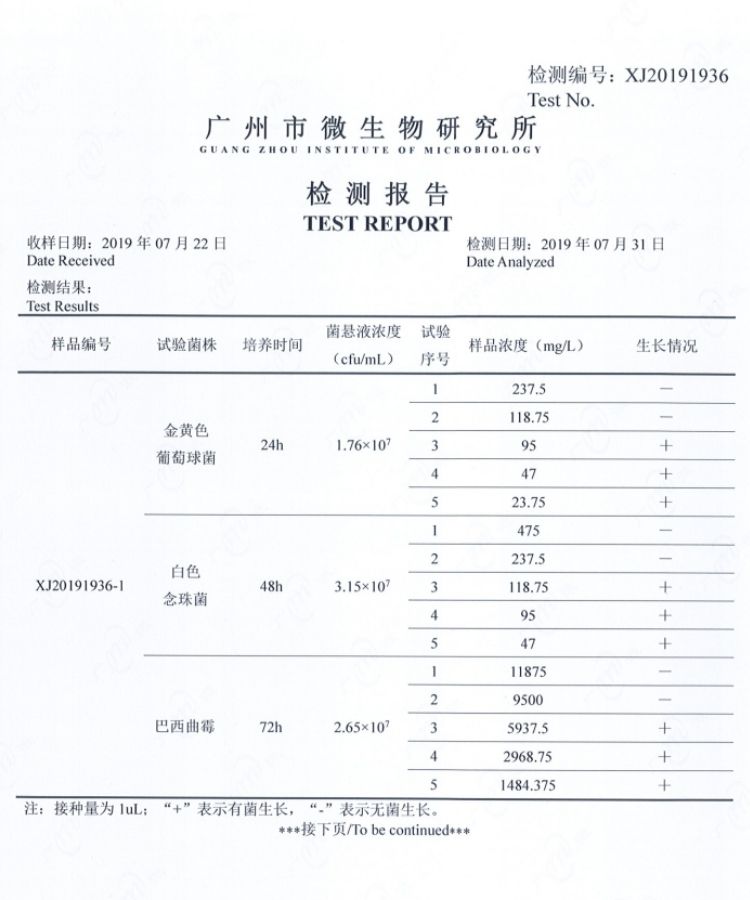
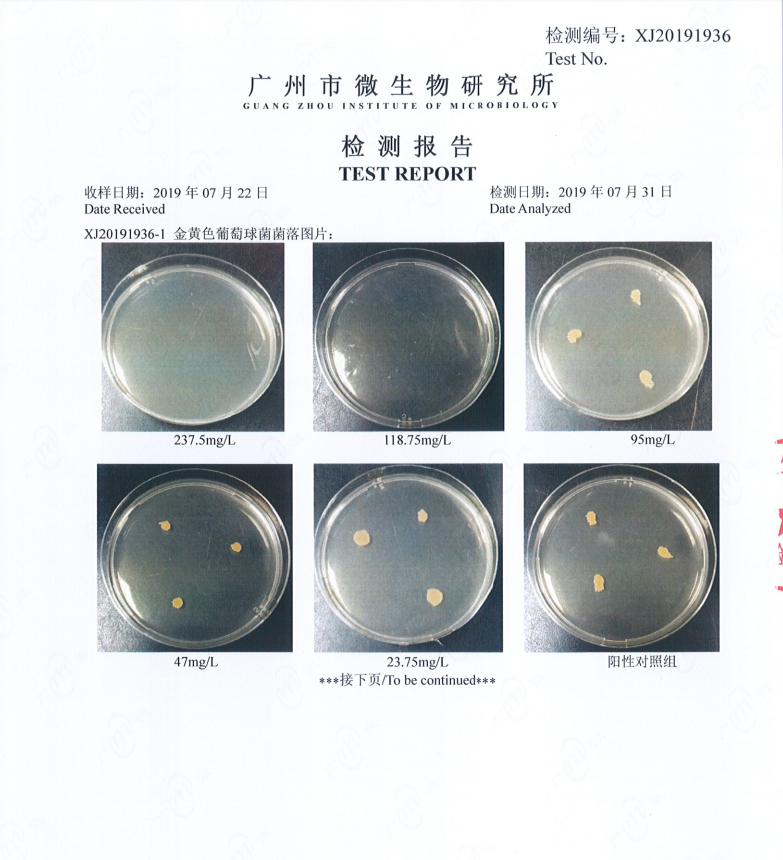
Health-Guard honokiol HPH98 Tests cited by Health-Guard from the Guangzhou Institute of Microbiology, the Guangzhou quality inspection institute and other organizations identified seven areas of potential use for HPH98. The figures below describe results at specific concentrations; the performance of each finished formulation should be verified separately. 1 Antimicrobial Activity Laboratory testing reported inhibition of common microorganisms, including Staphylococcus aureus, Candida albicans and Aspergillus brasiliensis. The reported minimum inhibitory concentrations (MICs) were 118.75 mg/L for S. aureus and 237.5 mg/L for C. albicans. These results support exploration in cleansing bars, hand washes and other hygiene formulations, subject to finished-product testing and applicable claims requirements.
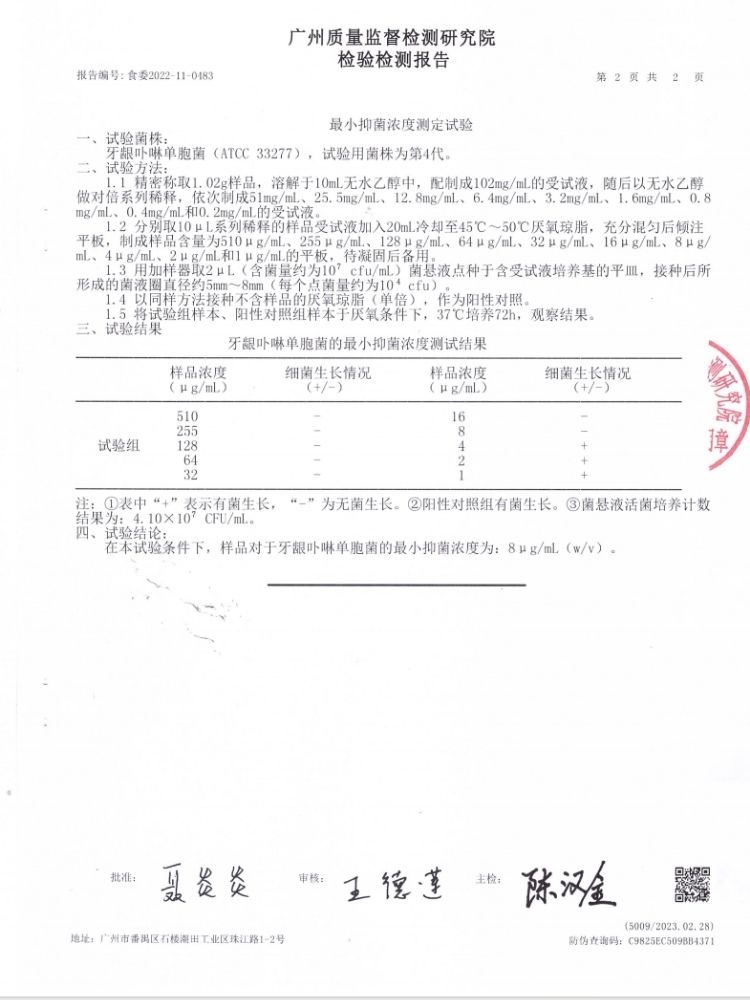
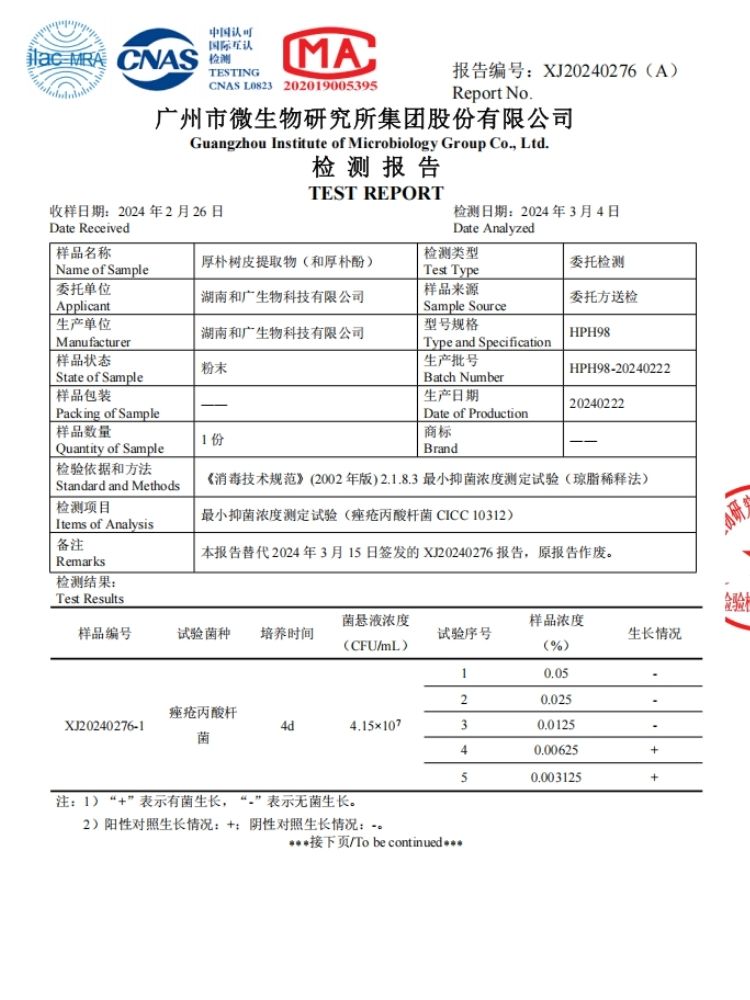
Antimicrobial test report and culture images 2 Oral Care The reported MIC against Porphyromonas gingivalis, a bacterium associated with periodontal disease, was 8 μg/mL. This in vitro result supports further evaluation of HPH98 in toothpaste, mouthwash and oral spray formulations intended to help manage oral bacteria and support gum-care positioning. 3 Blemish-Prone Skin In a laboratory test, a concentration of 0.0125% inhibited the growth of Cutibacterium acnes (formerly Propionibacterium acnes). The result suggests potential for blemish-care serums and gels. Claims about preventing or treating acne require separate evidence for the finished product.
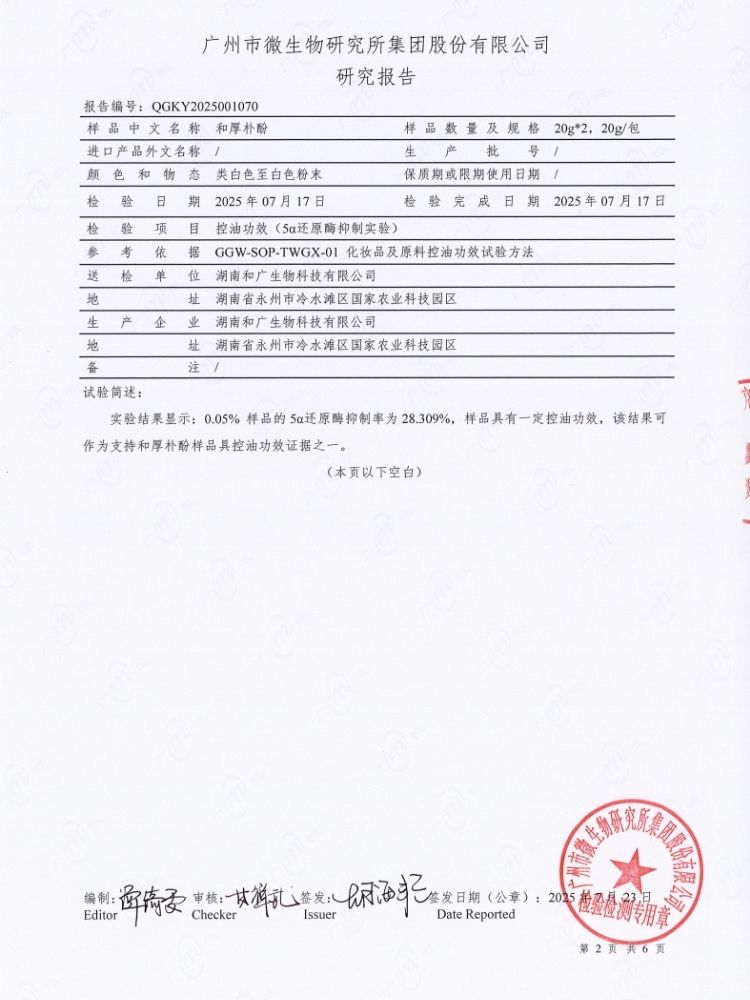
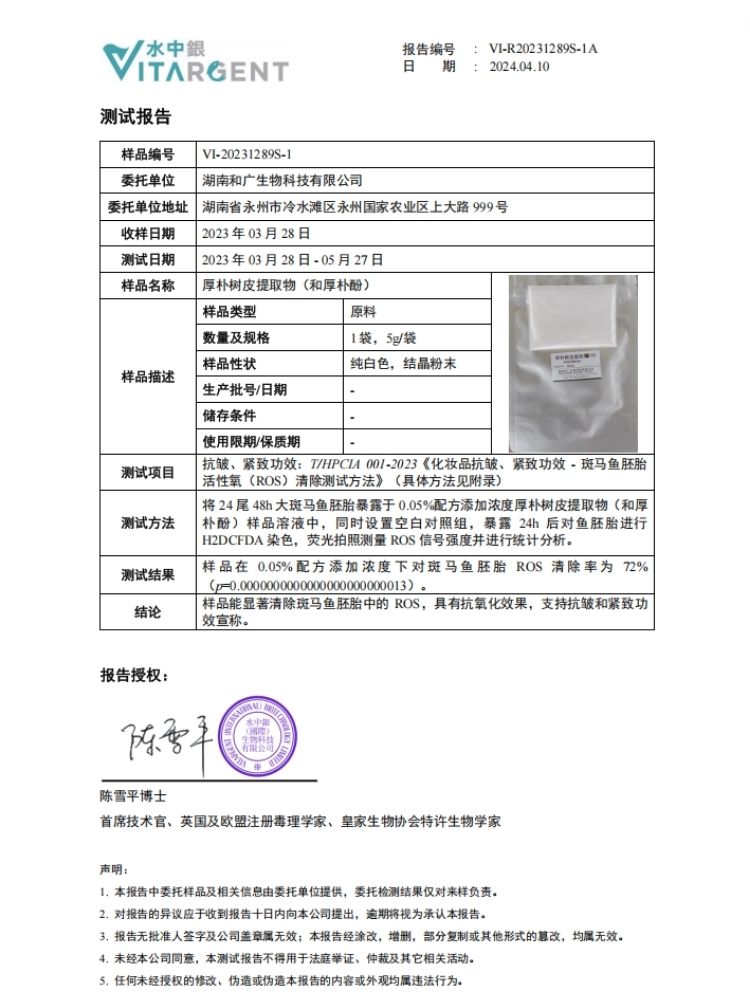
Selected oral-care and C. acnes test reports 4 Oil-Control Formulations At 0.05%, HPH98 showed 28.309% inhibition of 5α-reductase in the cited assay. This mechanistic result may inform facial and scalp oil-control formulations; the effect of a finished product on sebum output remains to be evaluated. 5 Antioxidant Activity In a zebrafish model, 0.05% HPH98 achieved a reported 72% reduction in reactive oxygen species (ROS). This provides a basis for investigating antioxidant positioning in serums, eye creams and firming creams. It is not a direct measure of wrinkle reduction in people.
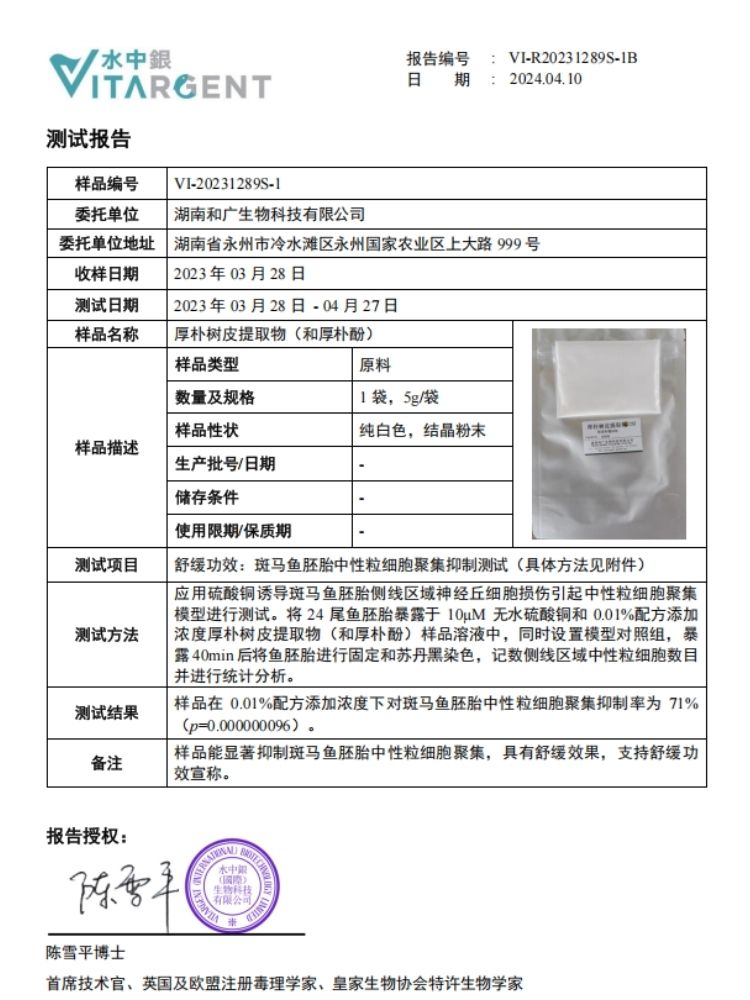
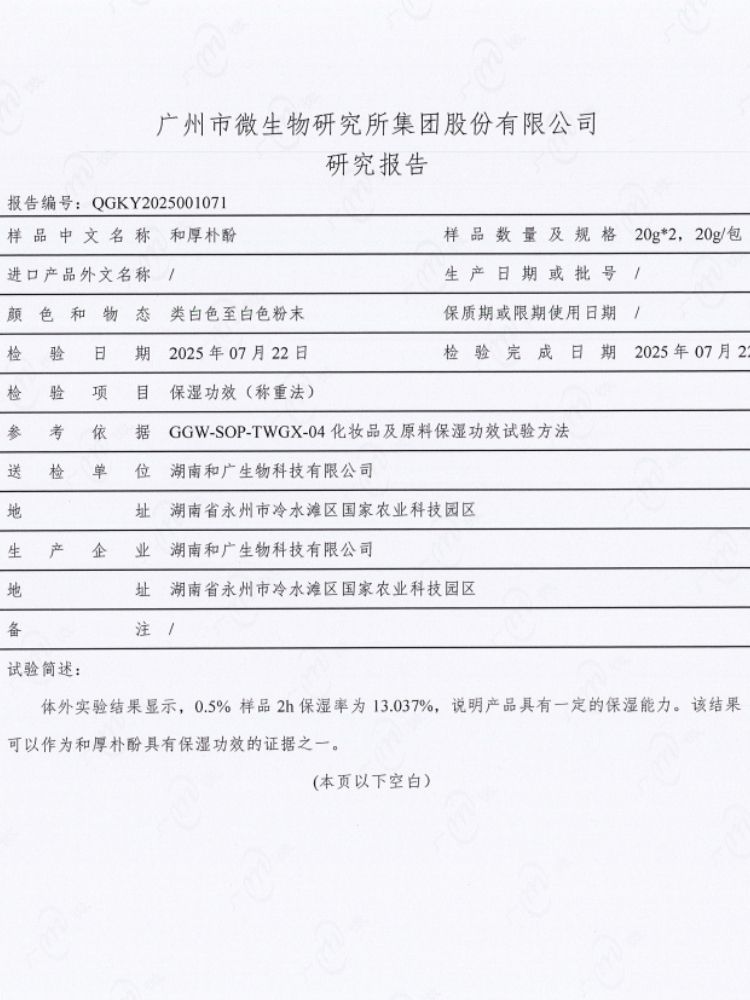
Selected 5α-reductase and zebrafish ROS test reports 6 Soothing Potential At 0.01%, the ingredient achieved 71% inhibition of neutrophil aggregation in the cited zebrafish test. This result supports further study for soothing masks and toners designed for skin prone to visible redness and discomfort; barrier-repair claims need direct substantiation. 7 Moisturizing Performance At a 0.5% addition level, the cited in vitro assay reported a 13.037% moisturizing rate after two hours. Health-Guard compares this result with 3% glycerin in the same assay, although the ingredient concentrations differ. HPH98 may be considered for moisturizing lotions and body-care products alongside other ingredients.
Selected soothing and moisturizing test reports Formulation OpportunitiesHPH98 combines patented processing, reported safety testing, seven areas of laboratory study and annual capacity of 30–50 metric tons. Health-Guard welcomes brand collaboration on formulation development and validation. |